

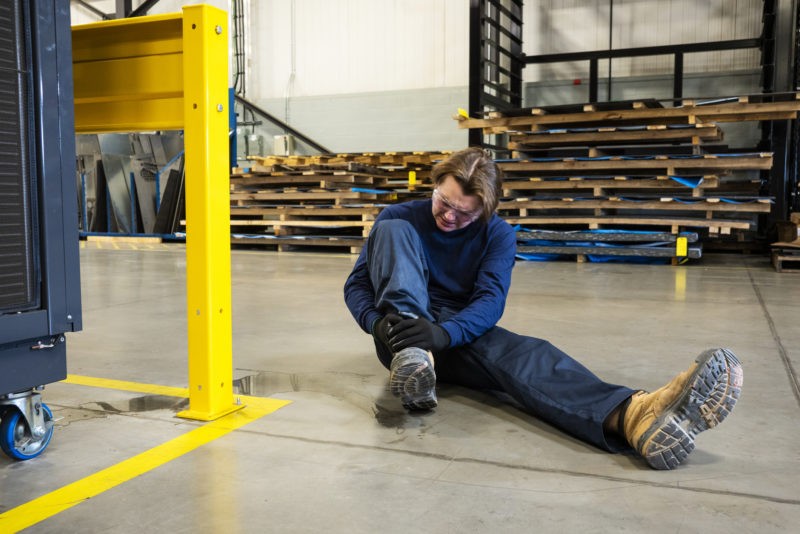
Slip and fall accidents remain one of the most common causes of unintentional injury in the United States, and Florida consistently ranks among the states with the highest reported cases due to its population density, tourism volume, and diverse commercial environments. While many people think of slip and falls as minor incidents, national data shows that they send over a million individuals to emergency rooms each year, with Florida contributing a significant share of these cases. Understanding the numbers behind these accidents helps clarify why premises liability law plays such an important role in protecting injured individuals. Law firms like Chalik and Chalik, which exclusively represent people harmed by dangerous conditions, regularly rely on data to demonstrate how preventable many of these incidents truly are.
Across Florida, public spaces—such as airports, shopping centers, outdoor walkways, and retail stores—present daily hazards that can turn a routine outing into a serious medical event. According to consumer safety studies, slip and fall accidents are the leading cause of traumatic brain injuries and one of the top contributors to hip fractures requiring hospitalization. These injuries disproportionately affect older adults, tourists unfamiliar with new environments, and individuals navigating crowded commercial spaces. In fact, Florida’s large senior population significantly increases statewide fall-related hospitalization rates compared to national averages. This makes the state’s adherence to strict premises liability standards especially important, as it places responsibility on property owners to ensure that walkways, flooring, lighting, and maintenance routines are reasonably safe.
Analyzing where these accidents occur offers additional insight. Supermarkets and big-box retailers frequently appear in injury data due to their size, heavy foot traffic, and recurring spill-related hazards. National retail safety reports show that grocery stores, for example, experience hundreds of documented slip risks each week, many related to produce departments, beverage aisles, or freezer condensation. These patterns mirror the issues often examined in Florida legal cases, including those involving large chains. Publicly available discussions of Publix slip and fall litigation highlight how recurring spill zones, inspection routines, and maintenance practices become critical elements in determining liability.
Florida’s major airports also contribute significantly to slip and fall statistics. With millions of travelers moving through terminals each month, even minor hazards can cause major injuries. Data from aviation safety organizations show that moisture near gate areas, food service spills, and heavy luggage traffic all increase slip risks. The state’s warm, humid climate adds an additional challenge, as condensation and rainwater frequently accumulate near entrances and jet bridges. When a traveler is injured, determining responsibility often requires examining contractual maintenance arrangements, inspection logs, and prior incident history. These factors frequently arise in cases involving complex public facilities, and deeper analysis of Florida airport slip and fall claims illustrates how these unique environments complicate liability assessments.
The strength of a slip and fall case in Florida often depends on the quality of evidence. Surveillance video, incident reports, and maintenance records serve as the foundation for establishing whether a business acted reasonably. Studies on injury litigation show that cases with strong visual evidence, particularly time-stamped footage showing the hazard’s duration, have significantly higher success rates. Conversely, businesses often argue that a spill occurred only moments before an accident, making it impossible for employees to discover it in time. Presenting accurate timelines becomes essential to counter such defenses. Attorneys like Chalik and Chalik frequently highlight inconsistencies in inspection logs or maintenance procedures to show that an accident was predictable and preventable.
Florida’s modified comparative negligence standard adds another layer of complexity. Consumer safety research indicates that insurers frequently try to assign partial blame to injured individuals, often arguing that they were distracted or failed to notice an obvious hazard. These arguments can reduce or even eliminate compensation if not properly countered. Understanding this dynamic helps injured individuals prepare for the strategies commonly used against them. Data also suggests that early legal representation significantly increases the likelihood of fair compensation, especially when insurers attempt to reframe the accident in a way that minimizes the property owner’s responsibility.
Economic impacts also play a major role in slip and fall cases. Medical bills, physical therapy, lost wages, and long-term mobility limitations often exceed expectations. Studies show that the average cost of hospitalization after a fall can reach tens of thousands of dollars, with recovery periods lasting months or years. When these financial burdens are combined with emotional distress and reduced quality of life, the true impact becomes clear. Florida law allows victims to seek compensation for these losses, but success requires demonstrating both the extent of the harm and the preventability of the accident under the state’s legal standards.
Ultimately, examining slip and fall injuries through a data-driven lens reveals how frequently these accidents occur and how deeply they affect victims across Florida. Numbers alone cannot capture the full human toll, but they provide essential context for understanding why premises liability law exists and why accountability matters. When businesses fail to uphold reasonable safety standards, the consequences extend far beyond a momentary slip—they shape the lives, health, and financial stability of the individuals involved. Through careful evidence analysis and dedicated advocacy, firms like Chalik and Chalik help injured people pursue justice by grounding their cases in both legal principles and factual reality, ensuring that victims receive the support and compensation they deserve.