

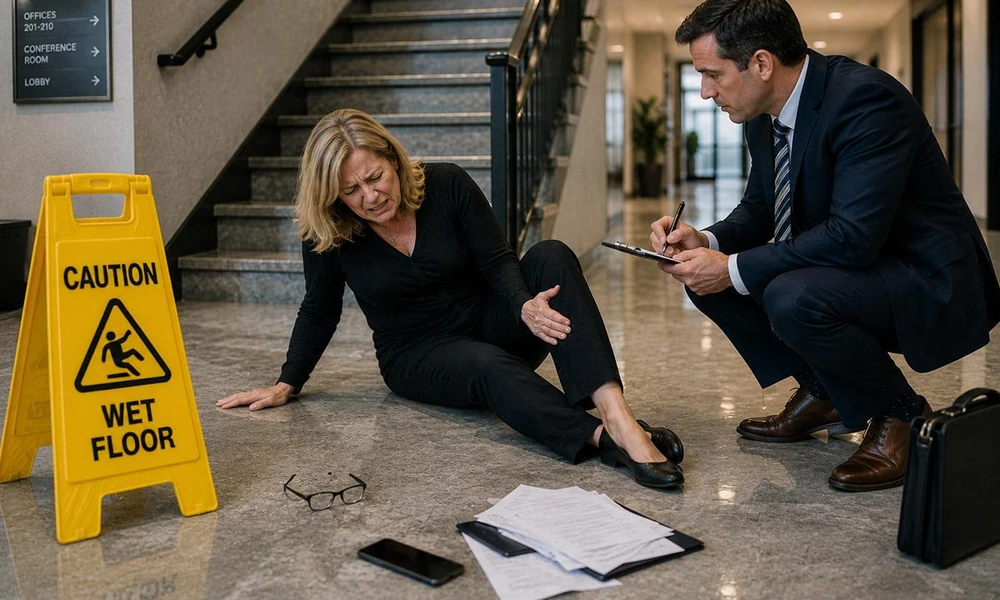
Understanding the Most Frequent Property-Related Injury Cases in Southern California.
Property owners throughout California have a legal obligation to maintain reasonably safe environments for visitors, customers, tenants, and guests. When property owners ignore hazardous conditions or fail to implement proper safety measures, serious injuries can occur. Premises liability law provides a legal avenue for injured individuals to seek compensation when negligence contributes to accidents on another person’s property.
In rapidly growing regions such as Orange County and the Inland Empire, premises liability claims arise in a wide variety of settings. Shopping centers, apartment complexes, restaurants, hotels, office buildings, entertainment venues, and private residences all present unique safety challenges. While every accident is different, certain types of premises liability claims occur more frequently than others.
Understanding these common claims can help individuals recognize potential legal issues following an accident and appreciate the importance of property owner responsibilities under California law.
At Oracle Injury Attorneys, the legal team assists injury victims throughout Orange County and the Inland Empire in navigating complex premises liability cases. Through comprehensive investigations and dedicated advocacy, the firm works to help clients pursue compensation after preventable accidents caused by unsafe property conditions.
“Many premises liability accidents share a common factor: a dangerous condition that could have been prevented through reasonable care and timely action.”
Slip and Fall Accidents
Slip and fall incidents are among the most common premises liability claims throughout Southern California.
Although these accidents are sometimes dismissed as minor events, they can result in serious injuries, including:
- Fractures
- Traumatic brain injuries
- Spinal cord injuries
- Soft tissue injuries
- Hip injuries
- Shoulder damage
Common causes of slip and fall accidents include:
Wet or Slippery Floors
Hazards may result from:
- Spilled liquids
- Recently mopped surfaces
- Leaking refrigeration units
- Weather-related moisture tracked indoors
Inadequate Warning Signs
Temporary hazards often require visible warnings to alert visitors.
Poor Maintenance Practices
Failure to inspect and address dangerous conditions may increase liability exposure.
Slip and fall accidents frequently occur in:
- Grocery stores
- Retail establishments
- Restaurants
- Hotels
- Shopping centers
- Healthcare facilities
Successful claims often depend on demonstrating that the property owner knew or should have known about the hazardous condition.
Trip and Fall Accidents
While similar to slip and fall cases, trip and fall accidents generally involve hazards that obstruct or disrupt walking surfaces.
Common trip hazards include:
- Uneven sidewalks
- Cracked pavement
- Broken staircases
- Torn carpeting
- Loose floor mats
- Exposed electrical cords
- Unmarked changes in elevation
These incidents may lead to significant injuries, especially among older adults.
Property owners are expected to inspect their premises regularly and repair dangerous conditions within a reasonable timeframe.
Trip hazards frequently arise in:
Commercial Properties
Businesses have a duty to maintain safe conditions for customers and employees.
Apartment Complexes
Landlords may be responsible for common areas under their control.
Public Walkways
Certain claims involving government entities may involve different procedural requirements and deadlines.
Because evidence can disappear quickly following repairs, documenting the condition promptly is often important.
“Even seemingly minor defects can create substantial dangers when property owners fail to address them appropriately.”
Inadequate Security Claims
Property owners are not automatically responsible for all criminal acts occurring on their premises. However, California law may impose liability when property owners fail to implement reasonable security measures despite foreseeable risks.
Negligent security claims often involve incidents such as:
- Assaults
- Robberies
- Sexual assaults
- Physical attacks
- Violent crimes occurring on the property
Factors influencing these claims may include:
Prior Criminal Activity
Previous incidents can make future crimes more foreseeable.
Inadequate Lighting
Poor visibility in parking lots and common areas may increase risks.
Broken Security Features
Examples include:
- Non-functioning security gates
- Defective locks
- Inoperable surveillance systems
Lack of Security Personnel
Certain environments may reasonably require trained security presence.
Common locations associated with negligent security claims include:
- Apartment complexes
- Hotels
- Shopping centers
- Parking structures
- Entertainment venues
These cases often require detailed investigations regarding foreseeability and security practices.
Falling Object Injuries
Improperly stored merchandise and unsecured objects can create significant hazards in commercial settings.
Falling object incidents commonly occur when:
- Merchandise is stacked unsafely
- Shelving systems fail
- Heavy items are improperly displayed
- Inventory practices are negligent
Potential injuries include:
- Head trauma
- Neck injuries
- Facial fractures
- Concussions
- Shoulder injuries
Retail stores and warehouse-style businesses frequently face claims involving falling merchandise.
Important considerations often include whether employees:
- Followed established safety protocols
- Conducted regular inspections
- Corrected hazardous storage conditions
Photographs and witness statements can be especially valuable in these cases.
Swimming Pool Accidents
Swimming pools provide recreation and relaxation, but they also present substantial safety risks.
Premises liability claims involving pools may arise from the following:
Inadequate Barriers
California law imposes specific requirements regarding pool fencing and access restrictions.
Lack of Supervision
Certain facilities may have obligations related to monitoring pool areas.
Dangerous Conditions
Examples include:
- Slippery surfaces
- Broken equipment
- Inadequate warning signs
Maintenance Failures
Poor water quality or defective safety equipment may contribute to injuries.
Pool accidents can lead to severe outcomes, including:
- Drowning incidents
- Near-drowning injuries
- Brain injuries due to oxygen deprivation
- Spinal injuries
Cases involving children often receive heightened scrutiny because of the foreseeability of risks associated with attractive nuisances.
Dog Bite and Animal Attack Claims
Dog bites represent another common source of premises liability-related injuries.
California generally follows a strict liability approach regarding dog bite cases.
Under California law, owners may be held responsible when their dogs bite individuals lawfully present on public or private property, regardless of whether the dog previously exhibited aggressive behavior.
Dog bite injuries may include the following:
- Lacerations
- Infections
- Nerve damage
- Scarring and disfigurement
- Emotional trauma
These incidents frequently occur in:
- Residential settings
- Apartment complexes
- Public spaces
- Neighborhood environments
Additional claims may arise if property owners fail to address known dangers involving animals under their control.
Stairway and Escalator Accidents
Stairways and escalators require ongoing maintenance to ensure visitor safety.
Hazardous conditions may include:
Defective Handrails
Missing or unstable handrails increase fall risks.
Poor Lighting
Insufficient visibility may prevent individuals from recognizing hazards.
Uneven Steps
Structural defects can contribute to missteps and falls.
Escalator Malfunctions
Mechanical failures may result in serious injuries.
These accidents frequently occur in:
- Commercial buildings
- Shopping centers
- Hotels
- Apartment complexes
Determining liability often involves evaluating maintenance records and inspection practices.
Frequently Asked Questions
What are the most common premises liability claims?
Slip and falls, trip and falls, negligent security incidents, dog bites, swimming pool accidents, and falling object injuries are among the most common claims.
Can I file a claim after a slip and fall accident?
This may be the case if the property owner’s negligence contributed to the dangerous condition that caused your injuries.
What is negligent security?
Negligent security involves failing to implement reasonable safety measures despite foreseeable criminal risks.
Are dog owners automatically liable for bites in California?
California generally imposes strict liability on dog owners for bites occurring under qualifying circumstances.
What should I do after a premises liability accident?
Seek medical attention, report the incident, document the scene, preserve evidence, and consult an attorney promptly.
Seek Experienced Guidance From Oracle Injury Attorneys
Premises liability accidents can occur unexpectedly and often result in significant physical, emotional, and financial consequences. Understanding the types of claims commonly arising throughout Orange County and the Inland Empire helps injured individuals recognize when unsafe property conditions may have contributed to their injuries.
At Oracle Injury Attorneys, experienced personal injury attorneys help clients investigate accidents, establish liability, and pursue fair compensation following preventable injuries caused by negligent property owners. The firm remains committed to protecting the rights of individuals and families affected by premises liability incidents throughout Southern California.
If you or a loved one has suffered injuries due to dangerous conditions on another person’s property, contact Oracle Injury Attorneys today to discuss your legal options and learn how the firm can help you seek the compensation you deserve.